
Common Localization Issues: Wild, Scatter, and Free Spins
Localization issues tend to follow recurring patterns. We examine representative patterns and ways to improve them. Korean is our starting point, but similar issues can arise in other languages. Where possible, we use examples from larger providers. An individual issue can have a more damaging effect on perceptions of a smaller provider’s overall quality. This article examines WILD, SCATTER, and FREE SPINS. These are familiar terms for slot players, but which expressions should localization use? Should the original names be borrowed phonetically, or should their meaning be translated?
When Familiar Feature Names Are Translated Literally
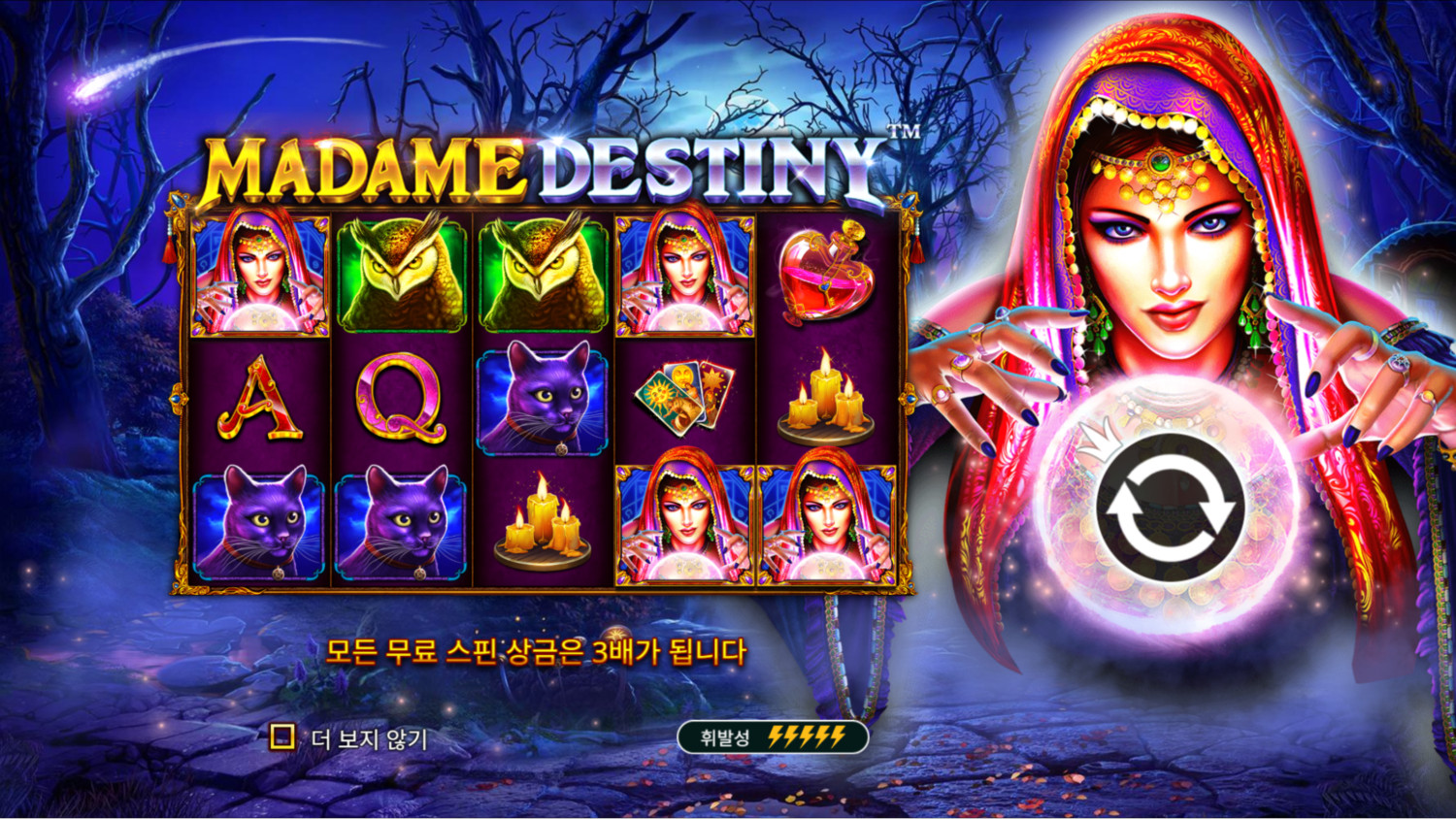
‘무료 스핀’ conveys the literal meaning of Free Spins. For Korean slot players, however, ‘프리스핀’, the phonetic borrowing, is already a feature name. Rather than interpreting Free and Spins separately, players associate it with a bonus mode and the special mechanics and gameplay they have experienced within it.
Translating a name whose meaning is already shared turns a familiar name into a descriptive expression. Players must reconnect that expression with the feature they know.
The issue goes beyond comprehension. The anticipation of entering a bonus and the gameplay experience associated with ‘프리스핀’ may not carry over fully to ‘무료 스핀’. Similar meaning does not necessarily preserve a feature name’s naturalness or appeal.
Loanwords Are Part of the Local Language
Korean uses loanwords as everyday names. Replacing expressions such as ‘드라마’ (drama), ‘카드’ (card), or ‘콤보’ (combo) with descriptions of their meaning does not always make them more natural or easier to understand.
A familiar loanword is not a foreign word waiting to be translated: it is the name people use for the concept. Describing a hamburger as ‘meat bread’ explains its ingredients, but does not communicate the name of the food more effectively.
Vocabulary that feels natural also changes over time. Although the terms do not have exactly the same scope, ‘연속극’, a term for a serial drama, may sound somewhat old-fashioned to someone accustomed to ‘드라마’. Names carry usage experience and associations with an era as well as meaning.
Feature-name localization should likewise consider the name by which current players recognize the concept. Replacing a loanword with a meaning-based expression does not, by itself, improve localization.
Wild and Scatter Connect the Screen to Its Explanations
There are also reasons to retain familiar names for WILD and SCATTER. These terms describe features, but they are also labels identifying symbols that players need to find on screen.
If a symbol displays WILD while the help text uses another name, players must establish that the two expressions refer to the same object. A name such as the Korean ‘와일드’, which closely corresponds to the visible label, makes it easier to match the symbol with its explanation.
The lettering on a symbol is also a design element integrated with artwork, outlines, and colors. It is harder to replace for each language than ordinary UI text. Help-text localization should therefore consider the relationship between labels retained on the actual screen and the translated names.
Familiar names alone cannot explain the rules. Which symbols a Wild replaces, and which conditions make a Scatter pay or trigger a bonus, vary by game. Keep names familiar, but write feature explanations specifically for the game.
Natural Choices Differ Across Languages
Korean and Japanese: Familiar Phonetic Borrowings
Korean and Japanese routinely adapt loanwords to their local writing and sound systems. We recommend the following phonetic borrowings for these three terms.
- WILD: Korean 와일드, Japanese ワイルド
- SCATTER: Korean 스캐터, Japanese スキャッター
- FREE SPINS: Korean 프리스핀, Japanese フリースピン
These names allow players to carry their experience from other games forward. Wild and Scatter are also easy to connect with the English labels on symbols.
If new players need an explanation, add one rather than replacing the name. For example, retain ‘프리스핀’ while explaining that the spins require no additional bet and describing the bonus-mode rules.
Chinese: Established Meaning-Based Translations
Chinese widely uses meaning-based names written in Chinese characters for these terms. Representative Simplified Chinese examples include:
- WILD: 百搭/百搭符号
- SCATTER: 分散符号/散布符号/夺宝符号
- FREE SPINS: 免费旋转
The naturalness of phonetic borrowing in Korean and Japanese does not mean the same approach should be applied to Chinese. Prioritize translations familiar to Chinese-language players.
We recommend 百搭符号 for WILD and 免费旋转 for FREE SPINS. SCATTER translations vary by provider, so choose with consistency across the existing terminology in mind.
If symbols retain English labels, wording such as 百搭符号 (WILD) can connect the screen to its explanation. The selected Chinese name for Scatter can likewise be displayed alongside SCATTER.
If the aim is to emphasize Free Spins as an opportunity received as a reward, 奖励旋转 (Reward Spins) is another option. For a conventional feature name, however, we prioritize the familiar 免费旋转.
German: Different Choices for Different Terms Within One Language
German uses English borrowings alongside German names.
- WILD: Wild/Wild-Symbol
- SCATTER: Scatter/Scatter-Symbol
- FREE SPINS: Freispiele/Freispielrunde
This combination borrows Wild and Scatter while using Freispiele for Free Spins. The English expression Free Spins is also used, but this example shows that individual terms within one language can follow different patterns of adoption.
The combination also makes sense in relation to the screen. Wild and Scatter retain names connected to the labels on symbols, while Freispiele uses a familiar German feature name.
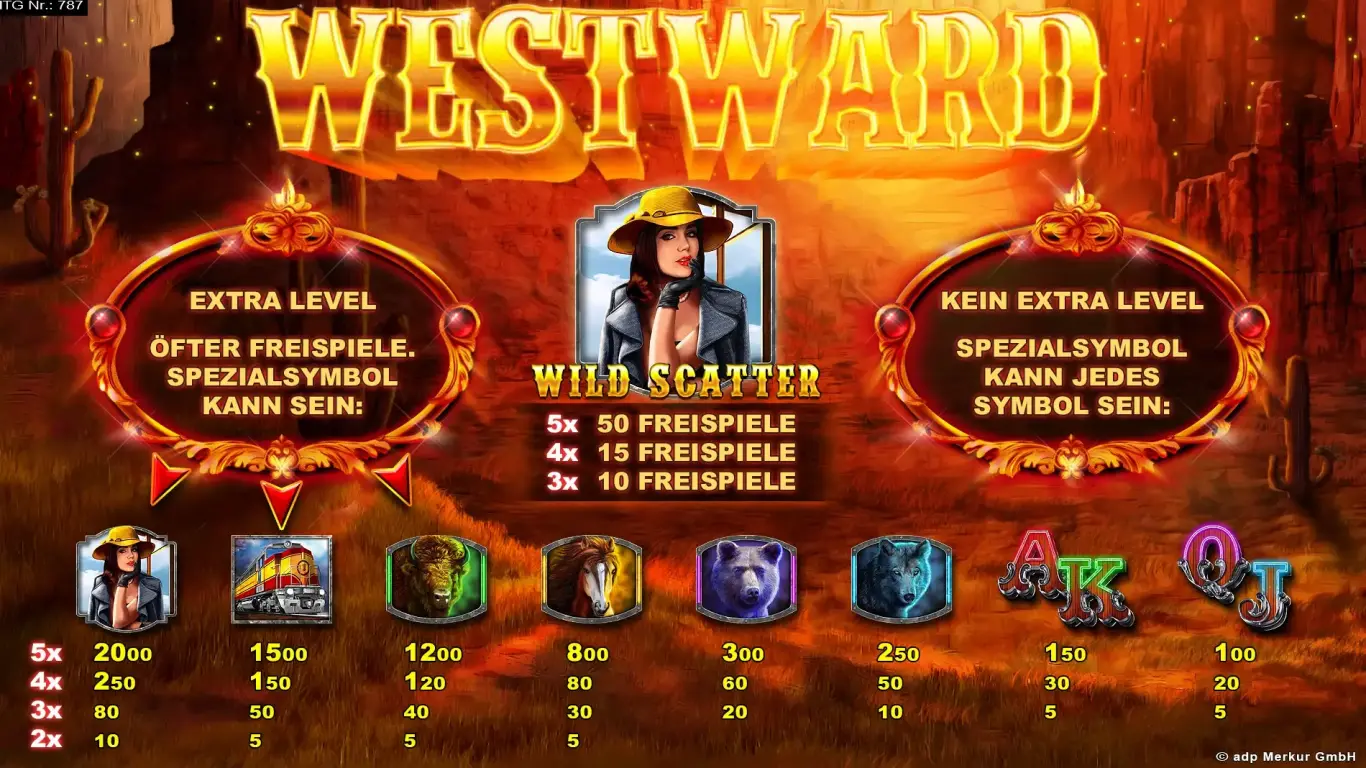
Rather than applying a blanket rule that German retains English or translates it, examine how each individual term is actually used.
Localization Goes Beyond Words
The point is not simply to establish a rule that Free Spins must be written as ‘프리스핀’ in Korean.
When selecting a feature name, consider the language’s approach to loanwords, the usage conventions of the individual term, and its connection with labels on screen. Even a dictionary-correct translation can fail to connect with a feature players already know, or weaken its associations.
Conversely, retaining the original wording or borrowing it phonetically does not solve every issue. An established local translation may be the more natural choice.
Localization is not the mechanical transfer of a word’s meaning or sound. It is the selection of an expression that conveys its meaning in context to local players. The understanding, familiarity, and anticipation attached to a feature name should carry over as well.